What it is
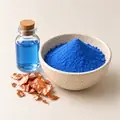
GHK is a tiny three-amino-acid peptide (glycine-histidine-lysine) that binds copper; GHK-Cu occurs naturally in the body. In cosmetics it’s listed as copper tripeptide-1 and often gives serums a blue tint.
What the cited review covers
The seller cites a review of GHK-Cu’s “regenerative and protective actions” in light of gene-expression data (Pickart & Margolina 2018). Such reviews pull together lab, animal and gene-activity findings; they don’t show that a particular serum grows hair.
Why its position matters
Copper tripeptide-1 is the twelfth and last ingredient in CelluGrow, the smallest amount. Peptides are typically used in very low concentrations in cosmetics. No amount is disclosed.
Safety
Generally well tolerated in skin care; patch-test new products (AAD).
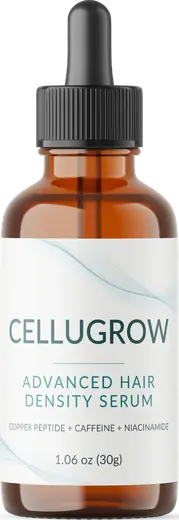
Considering CelluGrow? Two bottles are $98 plus shipping; six are $234 ($39 each) with free US shipping and three bonus guides. Only unopened bottles can be refunded, so you can only test one bottle risk-free, and a patch test comes first: read the safety guide.
Order CelluGrow From $39/BottleQuestions
Does copper peptide grow hair?
Evidence is mainly from lab and gene-expression studies, not controlled hair-growth trials.
Why is my serum not blue?
At small concentrations the tint may be faint.