The legal line
Cosmetics are for cleansing, beautifying or altering appearance; drugs are for treating or preventing disease or affecting the body’s structure or function. Intended use, shown by labels, ads and websites, decides which a product is. Claims to restore hair growth are an FDA example of drug claims (FDA).
Why it matters to you
Drugs like minoxidil must show they work before sale. Cosmetics don’t. When a cosmetic says “visibly fuller-looking” or “denser-looking”, it’s describing appearance, which is all it’s allowed to claim.
What cosmetics must do
Since MoCRA, companies must register facilities, list products and ingredients, keep safety records and report serious adverse events to the FDA within 15 business days. The FDA doesn’t approve cosmetics before sale (FDA).
Reading hair-product pages
- “Looking” and “feeling” words = cosmetic.
- “Regrows”, “stops hair loss”, “treats alopecia” = drug claims.
- “FDA approved” on a cosmetic is false.
See Minoxidil, explained.
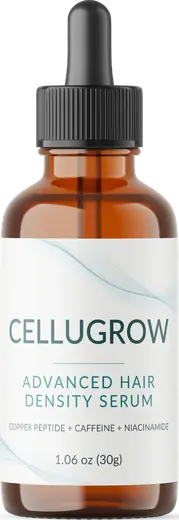
Considering CelluGrow? Two bottles are $98 plus shipping; six are $234 ($39 each) with free US shipping and three bonus guides. Only unopened bottles can be refunded, so you can only test one bottle risk-free, and a patch test comes first: read the safety guide.
Order CelluGrow From $39/BottleQuestions
Is a hair serum a drug?
Only if it claims to treat hair loss or regrow hair, or contains a drug like minoxidil.
Does the FDA test cosmetics?
No pre-market approval; companies are responsible for safety.